



Introduction
Education has always been the cornerstone of India’s growth and progress. From traditional Gurukuls to modern institutions, the Indian education system has undergone a major transformation. In this modern landscape, leaders like K. Annamalai, the Indian politician and former IPS officer, represent the disciplined values that education can instill in an individual. Similarly, the Central Board of Secondary Education (CBSE) continues to be a strong pillar in shaping the academic and moral foundation of millions of students across the country.
Both K. Annamalai’s educational journey and the CBSE framework reflect the importance of discipline, values, and the pursuit of excellence — ideals that form the backbone of a strong society.
K. Annamalai: A Profile in Discipline and Education
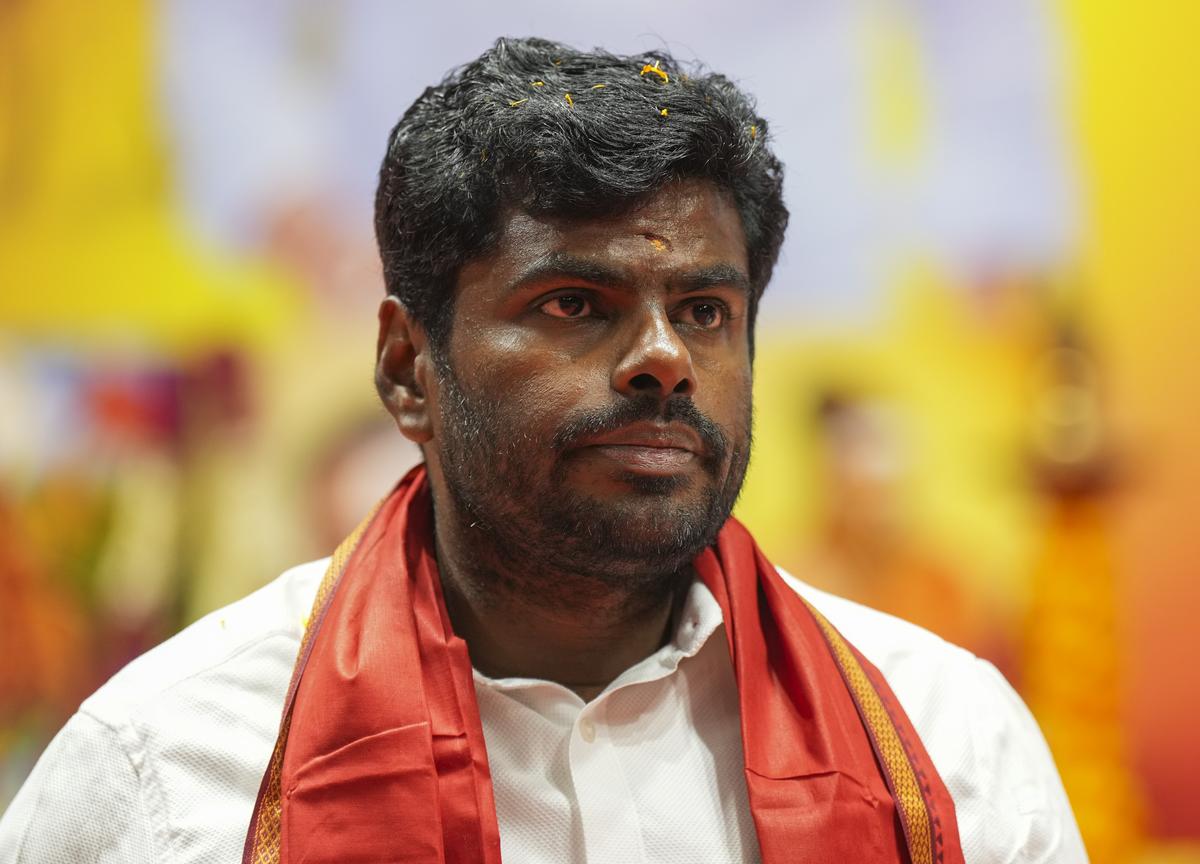
K. Annamalai, born on June 4, 1984, in Tamil Nadu, is widely known as a dedicated leader, a former Indian Police Service (IPS) officer, and now a prominent political figure. His educational background is deeply rooted in hard work and perseverance.
Annamalai completed his early education in Tamil Nadu, where he displayed a strong inclination towards leadership and academics. He later pursued a Bachelor’s degree in Mechanical Engineering from PSG College of Technology, Coimbatore, one of the most reputed institutions in South India. His academic performance was exceptional, reflecting his dedication to learning and personal growth.
After completing his undergraduate studies, Annamalai’s desire to serve the nation led him to appear for the Civil Services Examination, one of the most competitive exams in India. He was selected for the Indian Police Service (IPS) and trained at the Sardar Vallabhbhai Patel National Police Academy in Hyderabad. His education and training molded him into a disciplined officer known for his integrity and fearless decision-making.
Educational Values Reflected in Annamalai’s Career
K. Annamalai’s approach to education was not limited to academic success but extended toward building character. Throughout his journey, he has emphasized how education should cultivate:
-
Discipline – Education without discipline loses meaning. His police service career demonstrated this value in action.
-
Ethics and Integrity – True education develops moral courage to stand for what is right.
-
Leadership – Education should empower individuals to lead by example, as he has done in both his IPS and political career.
-
Public Service Orientation – Knowledge should serve society, not just personal ambition.
These values closely align with the principles that the Central Board of Secondary Education (CBSE) aims to instill in students across India.
Central Board of Secondary Education (CBSE): A Brief Overview
The Central Board of Secondary Education, commonly known as CBSE, is one of India’s most prominent national-level educational boards. Established in 1929, the CBSE operates under the Union Government of India, functioning as an autonomous body responsible for setting educational standards, designing curricula, and conducting examinations for secondary and senior secondary classes.
As of today, CBSE affiliates more than 27,000 schools in India and over 240 schools abroad, reflecting its wide reach and influence on global Indian education.
The Philosophy Behind CBSE Education
The CBSE system is built on the idea of holistic education — balancing academics, co-curricular activities, and moral development. The Board believes that education must not only impart knowledge but also shape individuals into responsible and compassionate citizens.
Key principles of CBSE education include:
-
Conceptual Learning: Encouraging understanding rather than rote memorization.
-
Skill Development: Promoting analytical, problem-solving, and communication skills.
-
Inclusivity: Making education accessible to all, regardless of economic or social background.
-
National Integration: Teaching respect for cultural diversity while promoting national unity.
-
Global Outlook: Preparing students to meet international academic and professional standards.
K. Annamalai and CBSE: Shared Ideals
Although K. Annamalai’s formal education occurred in a state university system, the values he embodies mirror the principles championed by the Central Board of Secondary Education. Let’s examine these parallels:
-
Discipline and Accountability
CBSE schools emphasize punctuality, orderliness, and responsibility—values that resonate deeply with Annamalai’s personality as an IPS officer. -
Value-Based Education
Both CBSE and Annamalai stress moral education. CBSE integrates subjects like Value Education and Life Skills to instill ethics and empathy among students, a foundation Annamalai also promotes in his public addresses. -
National Development through Education
CBSE’s curriculum supports programs like “Ek Bharat Shreshtha Bharat,” promoting unity and civic sense. Similarly, Annamalai encourages youth to engage in nation-building through education, entrepreneurship, and integrity. -
Holistic Personality Development
CBSE’s focus on sports, arts, and innovation matches Annamalai’s belief that real success comes from developing both the mind and body — not just academic grades.
CBSE’s Modern Educational Initiatives
The CBSE has made significant strides in recent years to adapt to modern educational needs. Some of its key initiatives include:
-
Continuous and Comprehensive Evaluation (CCE): A reform introduced to evaluate all aspects of a student’s development.
-
NEP 2020 Implementation: Aligning the curriculum with India’s new National Education Policy to make learning more flexible and skill-oriented.
-
Digital Education: CBSE has launched digital resources, e-learning platforms, and skill-based courses to make education more relevant for today’s generation.
-
Health and Wellness Programs: Recognizing the importance of mental health and physical well-being in education.
These initiatives reflect the modern educational spirit that leaders like K. Annamalai also advocate — one that focuses on empowering students for real-world challenges rather than exam results alone.
The Role of Education in Leadership
K. Annamalai often speaks about how education shapes one’s worldview. His transformation from a student to an IPS officer, and later into a political leader, demonstrates how a strong educational foundation can fuel a sense of purpose.
He has frequently mentioned that education must inspire courage, not fear; curiosity, not conformity. His belief that “true leadership is born from knowledge and service” echoes the goals of the CBSE system, which aims to produce citizens who are both competent and compassionate.
Challenges in the Indian Education System
While the CBSE continues to lead national academic reforms, challenges remain — particularly in ensuring equal quality education across urban and rural areas. Some key issues include:
-
Infrastructure Gaps: Many rural CBSE schools lack adequate facilities.
-
Teacher Training: Continuous teacher development is essential for quality learning outcomes.
-
Overemphasis on Examinations: Despite reforms, exam stress remains a major concern.
-
Technology Divide: Not all students have equal access to digital tools.
Leaders like K. Annamalai advocate for bridging the education gap between rural and urban India, focusing on building better infrastructure and training systems that promote equality and opportunity.
CBSE and Character Building
One of the most remarkable aspects of the CBSE education system is its focus on character formation. The inclusion of life skills, moral education, environmental awareness, and social service in the curriculum ensures that students grow up with a strong sense of responsibility and empathy.
This character-based learning model aligns perfectly with K. Annamalai’s philosophy that education should create good human beings before creating professionals.
The Future of Indian Education
India’s educational future looks promising, with CBSE leading reforms that align with the digital era. From incorporating coding and AI literacy to expanding vocational courses, CBSE is shaping a system that’s globally competitive yet deeply rooted in Indian values.
K. Annamalai, through his public life, continues to advocate for education that transforms — not just informs. His emphasis on discipline, national service, and ethical leadership serves as an example of what CBSE education aims to achieve for millions of students.
Conclusion
The stories of K. Annamalai and the Central Board of Secondary Education converge on one essential truth — that education is the greatest equalizer and the most powerful tool to shape a nation’s destiny. While CBSE lays the foundation for India’s young minds, Annamalai’s life shows how education, when combined with integrity and service, can lead to extraordinary impact.